


public
Understanding the psychology behind gambling What drives players' decisions
Understanding the psychology behind gambling What drives players' decisions
The Allure of Risk and Reward
The concept of risk and reward plays a central role in gambling psychology. Players are often drawn to the thrill of potentially winning large sums of money, which is a fundamental human desire. This excitement can trigger the release of dopamine, a neurotransmitter associated with pleasure and satisfaction, making the experience of gambling addictive. As players engage in games, the anticipation of a win can create a euphoric feeling, intensifying the desire to continue playing despite the inherent risks involved. Additionally, many players find that visiting sites like Final Countdown Casino enhances their overall gaming experience.
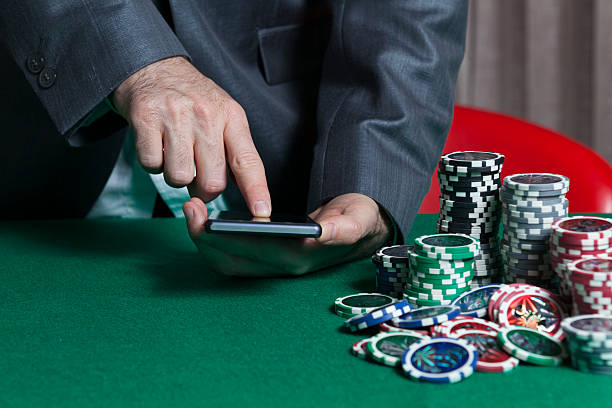
Moreover, this allure is reinforced by the structure of many casino games, which are designed to create a sense of urgency and excitement. Slot machines, for example, employ bright lights and sound effects that amplify the emotional experience, encouraging players to keep spinning in hopes of hitting the jackpot. The unpredictability of outcomes keeps players engaged, as they often believe that luck can change with just one more play, further fueling their decision to gamble.
In many cases, players may underestimate the odds against them. Cognitive biases, such as the illusion of control, lead individuals to believe that their actions can influence the outcome of games based on chance. This mindset can distort their perception of risk and reward, making gambling seem like a more favorable pursuit than it truly is. Understanding this psychological dynamic is crucial in recognizing why people continue to gamble even when faced with losses.
The Role of Emotion in Gambling Decisions
Emotion plays a critical role in shaping gambling behavior. When players experience stress, anxiety, or boredom, they may turn to gambling as a form of escapism. This emotional coping mechanism can provide temporary relief and distraction from life’s challenges, making gambling an appealing option. In these instances, players might not be fully aware of how their emotional state influences their decisions, leading them to gamble more than they initially intended.
Additionally, the excitement of winning can create a rollercoaster of emotions, further complicating decision-making processes. Players may chase losses, believing that an upcoming win is just around the corner. This phenomenon, often referred to as “loss chasing,” can result in deeper financial setbacks and is fueled by a heightened emotional response to prior wins and losses. Understanding how emotions can cloud judgment is essential in comprehending why players might engage in risky gambling behavior.
Furthermore, peer influence and social dynamics can amplify emotional reactions in gambling environments. Many players enjoy the communal atmosphere of casinos, where shared experiences can heighten feelings of excitement. The presence of fellow gamblers may trigger a social contagion effect, leading individuals to take greater risks than they would in isolation. This interplay of emotion and social context significantly impacts gambling decisions and behaviors.
Cognitive Biases and Decision-Making
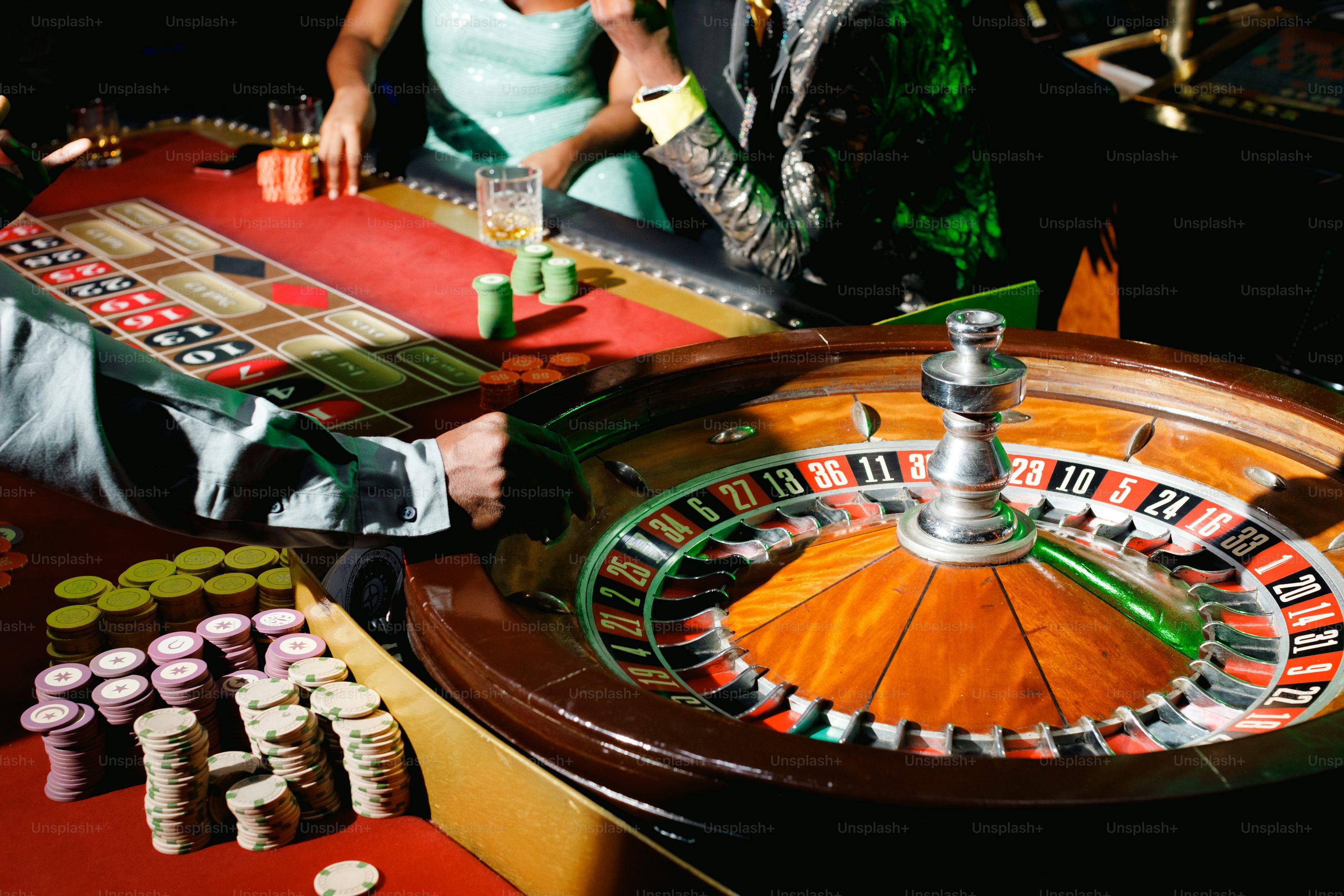
Cognitive biases significantly affect how gamblers perceive risk and make decisions. One of the most prevalent biases is the “gambler’s fallacy,” where individuals believe that past outcomes will influence future events in games of chance. For instance, if a roulette wheel has landed on red several times in a row, a player may irrationally assume that black is due to come up next. This flawed reasoning can lead to increased betting and poor decision-making, demonstrating how cognitive biases shape gambling behavior.
Another common cognitive distortion is the “confirmation bias,” where players only acknowledge outcomes that reinforce their preexisting beliefs. If a player believes they are lucky, they may only focus on their winning experiences while ignoring substantial losses. This selective memory can reinforce the gambler’s false confidence, leading to continued gambling despite negative consequences. Acknowledging and addressing these cognitive biases is essential for understanding players’ decisions and the overall psychology of gambling.
In addition, the concept of “sunk cost fallacy” plays a role in gambling psychology. This bias occurs when players feel compelled to continue investing in a losing game because of the resources they have already expended. Instead of cutting their losses, they may rationalize further bets in the hope of regaining what they lost. This mindset can trap players in a cycle of gambling, ultimately resulting in more significant financial harm and emotional distress.
The Influence of Environment on Gambling Behavior
The environment in which gambling occurs can dramatically affect player behavior. Casinos are strategically designed to create an immersive experience that encourages extended play. Features such as complimentary drinks, the absence of clocks, and enticing displays all serve to minimize distractions and enhance the gaming experience. This calculated environment can lead to impulsive decisions, as players lose track of time and money spent while trying to achieve that next big win.
Furthermore, the availability of online gambling platforms has transformed the gambling landscape, bringing unique psychological challenges. The anonymity and convenience of online casinos can lead to more reckless behavior, as players may feel less accountable for their actions. This detachment from the physical gambling environment can reduce self-control and heighten impulsivity, making it easier for individuals to chase losses or spend more than they intended.
In contrast, social gambling environments, such as poker rooms, often foster a different atmosphere where skill and strategy come into play. Here, the dynamics of competition and interaction with other players influence decision-making. The psychological aspects of bluffing and reading opponents can lead to a more calculated approach to gambling, demonstrating how the environment shapes the psychological experience of gambling.
Final Countdown Casino: Enhancing the Player Experience
Final Countdown Casino provides an exemplary platform for players seeking an engaging online gaming experience. With over 400 games, ranging from slots to table games, players can explore a wide variety of options tailored to diverse interests. This extensive selection not only caters to different preferences but also enhances the overall excitement of gameplay, aligning with the psychological thrill associated with gambling.
The platform’s user-friendly interface and secure payment options foster a seamless gaming experience, allowing players to focus on enjoying the games. With enticing welcome bonuses, including free spins or bingo tickets, players can start their gaming journey with added excitement. Additionally, regular promotions keep the gaming experience fresh and rewarding, aligning well with the psychological principles that encourage continued engagement and loyalty.
Ultimately, understanding the psychology behind gambling can enhance the player experience. Final Countdown Casino prioritizes customer support and responsible gambling practices, ensuring that players have the tools and resources they need for a safe and enjoyable gaming environment. By providing a comprehensive and engaging platform, the casino acknowledges the intricate psychological dynamics that drive players’ decisions, making it a preferred choice for many.